
- +1 800 433 4609
- |
- Request Info
- |
- Login
Point-of-Care EEG
Clinical Benefit
From diagnostic uncertainty to neurological clarity
Point-of-Care EEG Clinical Benefit
From diagnostic uncertainty to neurological clarityNon-convulsive seizures and non-convulsive status epilepticus can present without obvious motor activity. In the ICU and ED, these events may look like persistent altered mental status, delayed awakening, unexplained coma, medication effects, metabolic encephalopathy, or post-cardiac arrest brain injury.
That is why EEG access matters. When seizure activity is invisible at the bedside, brain monitoring becomes the pathway to clarity.
Request Information
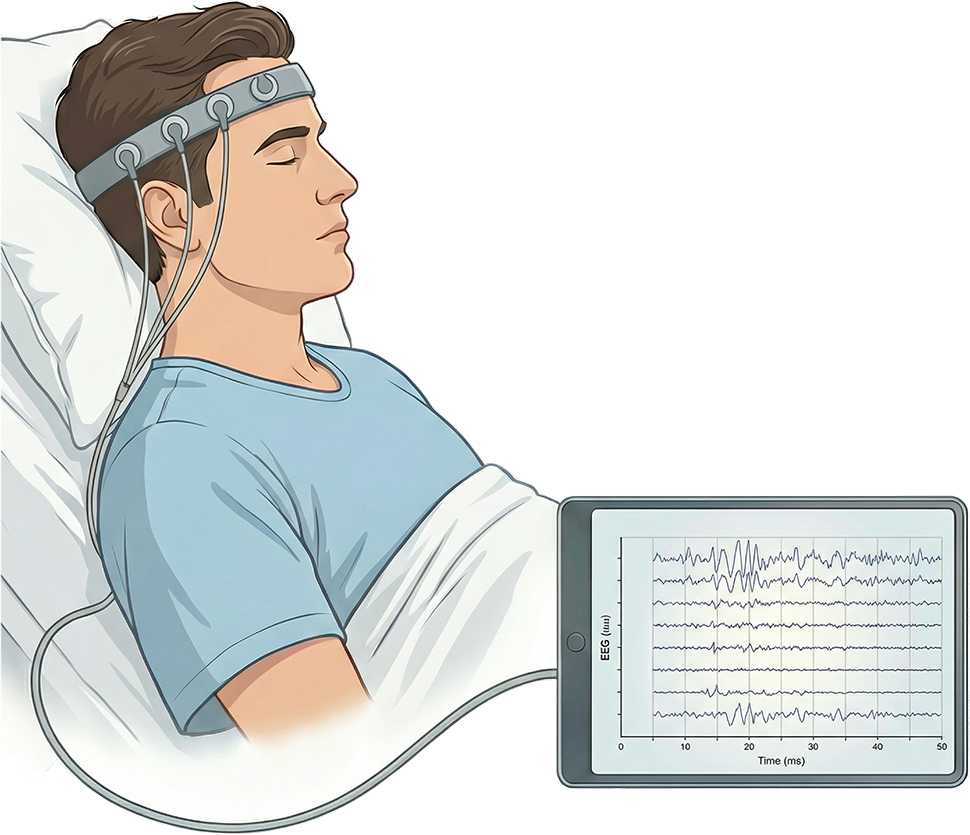
Bridging Neurology and Critical Care
NeuroTrace Point-of-care EEG represents a critical evolution in neurological monitoring, addressing long-standing gaps between clinical urgency and diagnostic capability. While not a replacement for conventional or continuous EEG, POC-EEG serves as an essential bridge - enabling earlier insight, better triage, and more timely intervention in environments where delays carry significant consequences.As technology continues to mature, point-of-care EEG has the potential to become an integrated, trusted component of critical care neurology. By aligning speed with accuracy and accessibility with clinical rigor, next-generation POC-EEG can help ensure that neurological deterioration is identified promptly, treated appropriately, and managed with confidence - even in the most resource-constrained settings.
Studies of rapid-response and point-of-care EEG suggest these systems can change physician decision-making, help rule out seizures, and support faster management decisions in emergency and critical-care settings.
The clinical gap
EEG is essential, but access is often delayedConventional EEG is a cornerstone of neurological diagnosis, but acute-care teams may face delays due to limited technologist availability, after-hours coverage gaps, equipment access, or transfer requirements. In time-sensitive neurological presentations, those delays can affect triage, treatment, and disposition.
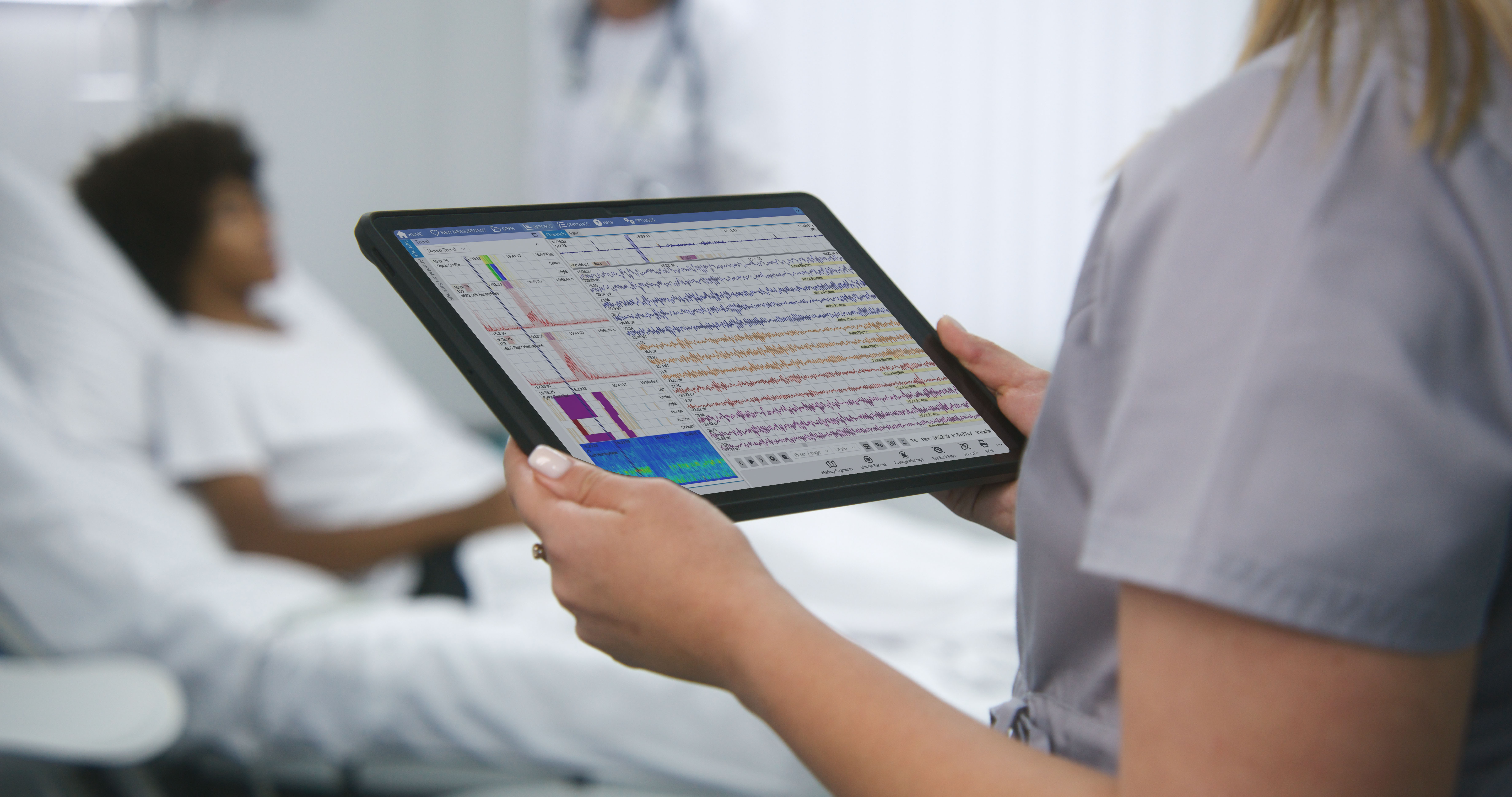
Status epilepticus literature consistently emphasizes that earlier treatment is associated with better response and that treatment delay can be associated with worse outcomes.
A bridge, not a replacement
NeuroTrace Point-of-Care EEG is designed to complement-not replace-conventional EEG. It serves as a front-line bridge between clinical suspicion and expert neurological evaluation, helping hospitals align speed, access, and clinical rigor.Reviews of rapid-response EEG describe growing evidence for its role in expediting medical decision-making in suspected acute neurological injury, while still emphasizing the importance of appropriate interpretation, workflow integration, and clinical context.
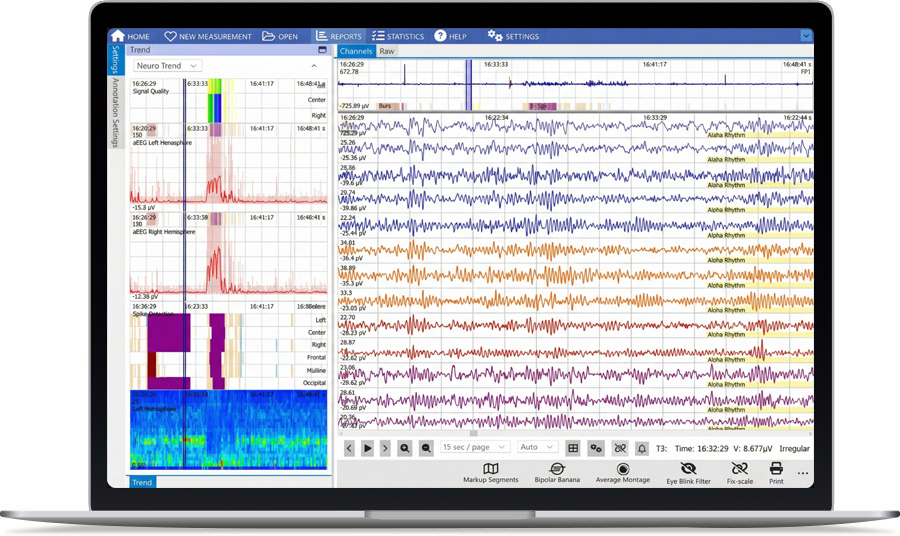
Current AHA post-cardiac arrest guidance notes that seizures and status epilepticus occur in 10% to 35% of patients who do not follow commands after return of spontaneous circulation, and recommends promptly performing and interpreting EEG for adult patients with myoclonus after ROSC.
How point-of-care EEG helps
Shortens time to brain monitoringNeuroTrace brings EEG to the bedside so teams can begin monitoring sooner.
Supports earlier seizure triage
AI-assisted seizure burden trends and alerts help identify patients who may need urgent review or treatment escalation.
Helps avoid undertreatment
When non-convulsive seizures are missed, patients may remain untreated despite ongoing electrographic seizure activity.
Helps avoid overtreatment
When EEG findings do not support seizure activity, clinicians may be able to avoid unnecessary anti-seizure medication escalation, sedation, ICU escalation, or transfer.
Extends neurology reach
Secure cloud access enables neurologists to review EEG data remotely and advise bedside teams faster.
Optimizes conventional EEG resources
Point-of-care EEG can help prioritize which patients need full conventional or continuous EEG while supporting immediate triage for others.
Caution: This device is not a substitute for EEG review by a qualified clinician. Before use, consult the manual for indications, contraindications, warnings, precautions, potential adverse events, and Instructions for Use. Sale of this device requires a physician's order.
- Neuro Cognitive
- BrainView Pro
- Cardiovascular
- VitalScan ANS +
- VitalScan SudoCheck +
- VitalScan Vascular +